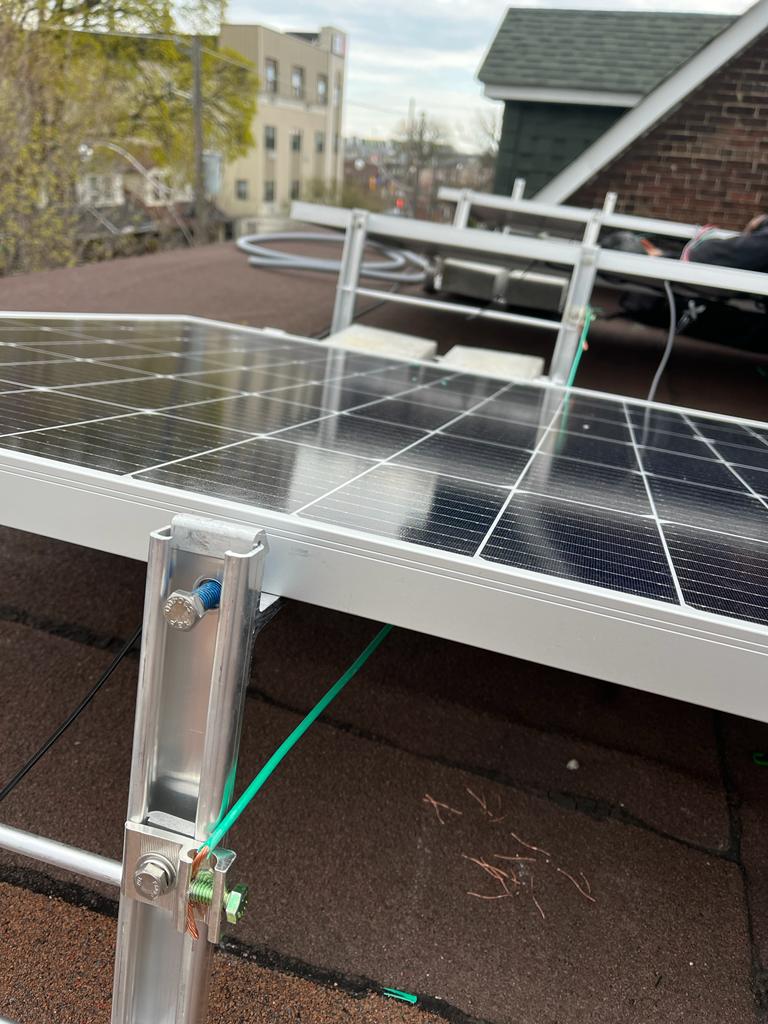
The Future of Solar Energy in Canada: Opportunities and Challenges
In recent years, solar energy has become one of the most important renewable energy sources in Canada. With growing environmental concerns and the nation’s commitment to reaching net-zero emissions by 2050, the installation and expansion of solar systems are more relevant than ever. However, the path forward is not the same across all provinces—some continue to provide strong incentives, while others have reduced or suspended them.Support and Progress
Nova Scotia is a clear example of ongoing commitment. Through Community Solar projects and programs such as SREPs and the Indigenous-Led Clean Energy Stream, the province is pushing toward its ambitious goal of achieving 80% renewable energy by 2030.
At the same time, installation costs have dropped significantly, while solar panel efficiency has increased. Even in colder provinces such as Quebec and Ontario, households and businesses are now able to cover a large portion of their energy needs with solar power.
Reduction or Suspension of Incentives
In Prince Edward Island (PEI), some rebate and payback programs for solar panel installations have been suspended, creating uncertainty for applicants and contractors.
Alberta temporarily paused approvals for new renewable energy projects in 2023. Although the moratorium was later lifted, new regulations and land-use restrictions have created uncertainty among investors and slowed the pace of solar development.
Conclusion: A Bright but Uneven Future
While provincial policies differ across Canada—from Nova Scotia’s strong support, to PEI’s suspended rebates, and Alberta’s regulatory challenges—the overall national direction continues to point toward growth in solar energy and greater energy independence. With advancing technology, falling costs, and the integration of solar with battery storage and electric vehicles, Canada is on track for a transformative shift in its energy landscape.